

 576min


Description
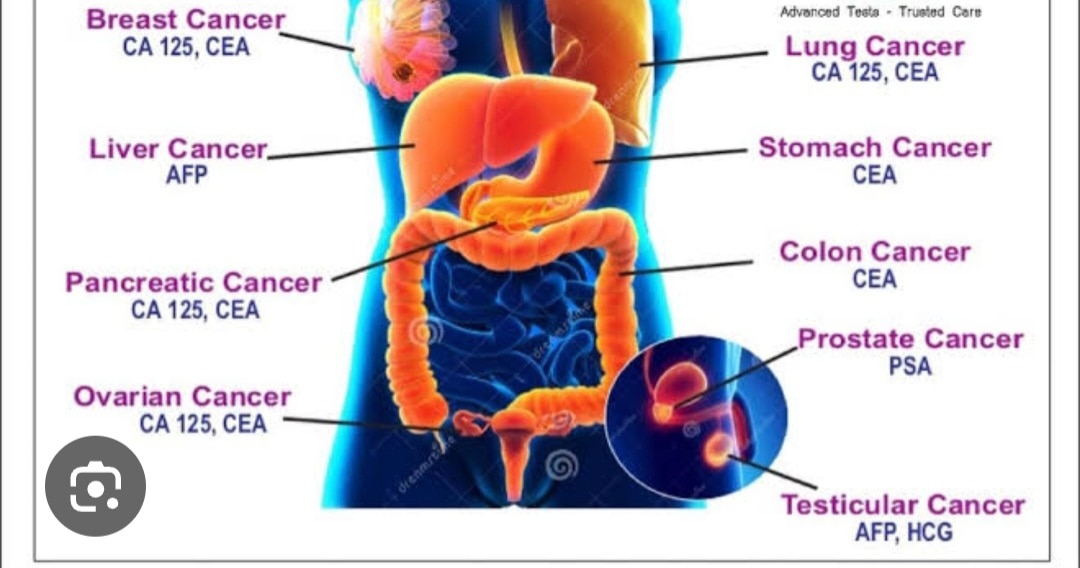
test include PSA Total ,FREE PSA,Tota PSA/Free PSA Ratio, Serum PSA Test - Prostata specifični antigen - Laboratorija LabomedicaPSA, or prostate-specific antigen, is a protein produced by the prostate gland that serves as the best tumor marker for prostate cancer but can also be elevated by benign conditions. A PSA blood test measures levels of this protein to help screen for prostate cancer, diagnose the cause of other prostate problems, and monitor the effectiveness of treatments. While high PSA levels, especially over 4 ng/ml, suggest further investigation, they do not definitively diagnose cancer, as elevated levels can also be caused by an enlarged prostate (benign prostatic hyperplasia), prostatitis (inflammation), or urinary tract infections. What PSA is and does: A protein: PSA is a protein produced by the prostate gland in men. A tumor marker: It's considered the best tumor marker for prostate cancer because its levels tend to rise with the disease, though it can also be elevated by non-cancerous conditions. Found in blood: Small amounts of PSA are normally found in the blood, but a blood test measures these levels. When a PSA test is used: Screening for prostate cancer: The primary use of the PSA test is to detect prostate cancer in its early stages, increasing the chances of a successful cure. Diagnosing other prostate issues: The test helps determine the cause of various prostate conditions, not just cancer. Monitoring treatment: After surgery or radiation therapy for prostate cancer, the PSA test can monitor the success of the treatment and detect if the cancer is returning. What a high PSA level can indicate: Prostate cancer: High PSA levels are an indication for further investigation to rule out prostate cancer. Non-cancerous conditions: Elevated PSA can also be a sign of an enlarged prostate (benign prostatic hyperplasia), prostatitis (inflammation of the prostate), or urinary tract infections. Important considerations: Not a definitive diagnosis: An elevated PSA level does not automatically mean you have cancer. Individualized approach: Factors like age, race, and family history influence risk and the interpretation of PSA test results, so it is essential to discuss the test with your doctor. Age-specific guidelines: The normal PSA range can vary with age, with a level of 4 ng/ml often being an indicator for further investigation in older men, while a lower threshold may be used for younger men Free to Total PSA Testing | PCFAA Free PSA (fPSA) test is a blood test that measures the amount of unbound PSA (Prostate-Specific Antigen) in the blood and helps differentiate between prostate cancer and benign conditions like an enlarged prostate. The "free" percentage is calculated as a ratio of free PSA to total PSA, where a lower percentage (e.g., less than 10-15%) can indicate a higher risk of cancer, while a higher percentage suggests a benign cause. What is Free PSA? Prostate-Specific Antigen (PSA): A protein produced by the prostate gland. Free PSA (fPSA): The portion of PSA that is not bound to other proteins in the blood. Bound PSA: The portion of PSA that is attached to blood proteins. Total PSA: The sum of both free and bound PSA. fPSA Test: This test measures fPSA, and the result is often expressed as the free-to-total PSA ratio (percentage). Why is it used? Cancer vs. Benign Conditions: It helps doctors determine if a high total PSA level is more likely due to prostate cancer or a benign condition, such as an enlarged prostate (benign prostatic hyperplasia) or prostatitis. Improved Specificity: A higher total PSA level can be caused by benign conditions. The fPSA test provides a more specific picture by looking at the ratio, which can help avoid unnecessary biopsies in some cases. Risk Assessment: A lower free-to-total PSA ratio is associated with a higher risk of prostate cancer, while a higher ratio is associated with a lower risk. How to interpret the results Higher free PSA ratio: Indicates a lower risk of prostate cancer. Lower free PSA ratio: Indicates a higher risk of prostate cancer. Clinical correlation: Doctors use this ratio along with other factors, such as total PSA, age, symptoms, and results from imaging or a digital rectal exam, to determine the next steps Screening for Prostate Cancer - GP ExamsThe PSA ratio is a measurement that divides the amount of free prostate-specific antigen (fPSA) by the amount of total PSA in a blood sample. A lower ratio suggests a higher probability of prostate cancer, while a higher ratio indicates a lower risk, especially in men with a total PSA level between 4 and 10 ng/ml. This is because cancer-produced PSA tends to bind to proteins more readily in the blood than PSA from benign conditions. What the ratio means High ratio: A higher ratio of free PSA (fPSA) to total PSA indicates a greater proportion of PSA is not bound to proteins. This is more commonly seen with non-cancerous conditions like benign prostatic hyperplasia (BPH). Low ratio: A lower ratio suggests a higher proportion of PSA is bound to proteins. This is more often associated with an increased risk of prostate cancer. Calculation: The ratio is a simple division: (free PSA / total PSA) x 100%. For example, a ratio of 10% means that 10% of the total PSA in the blood is free. Clinical use Improving specificity: The ratio is particularly useful for men with a total PSA level between 4 and 10 ng/ml, as this is a range where the test is less specific and can lead to unnecessary biopsies. Risk assessment: A higher ratio can help reassure doctors that the elevated total PSA is likely due to a non-cancerous cause, potentially reducing the need for further invasive testing. Limited application: The ratio's usefulness can be limited in men with symptoms or very high total PSA levels. Guidelines do not typically set universal cut-off values for the ratio. Further testing: A low f/t PSA ratio may lead to further tests, such as a biopsy, to investigate the possibility of prostate cancer Welcome to Nidan Pathology Laboratory, your trusted partner in comprehensive healthcare services., we specialize in delivering accurate pathology blood tests and preventive health check packages. Our commitment lies in providing accessible healthcare solutions to the residents of Pimpri Chinchwad Pune city. With a focus on convenience and affordability, we offer free home collection services, ensuring that healthcare remains convenient and accessible to all. Experience quality healthcare services at affordable prices with Nidan Pathology Laboratory – your trusted healthcare partner in Pimpri Chinchwad Pune. We are fast growing health care organization. A pioneer in the health care arena, Nidan Pathology Laboratory has been at the fore front of world class health care services. Our fundamental mission is to propagate healthier living for all our citizen. Nidan Pathology Laboratory is doing a pivotal role in raising the bar of health diagnostic accuracy, technological equipment, customer experience and research-driven empathetic service in the health industry. The company runs health care services like-: pharmaceutical, herbal & nutraceutical company, other hand company also working with hospitals & clinic, diagnostics, ambulance services, blood bank, ngo, old age home care, pet care & medicine, nursing services, online medicine, online consultation, and also work with concept of health care @ the home services. In our country the healthcare industry is undergoing a revolutionary change due to the increasing awareness about lifestyle disease, growth in gdp, knowledge about preventive healthcare, growing health insurance market, and growing government expences on healthcare. Why Choose Nidan Pathology Laboratory? Regular checkups are an essential part of maintaining good health. At our pathology lab, we offer a comprehensive range of services to help you stay on top of your health game. Our team of experts is committed to providing you with the highest level of care and support, using the latest technology and techniques. Mission, Vision, Value MISSION A reliable, one-stop-solution for all healthcare needs of all categories of patients. To create impact by becoming an active participant in local community initiatives and contribute to its well-being and development. Vision At Nidan Pathology Laboratory we aim to dedicate ourselves to human care through excellence in health care services and improving health standards through preventive care. Value QUALITY EFFICIENCY COST INNOVATION DEPENDABILITY SPEED


