

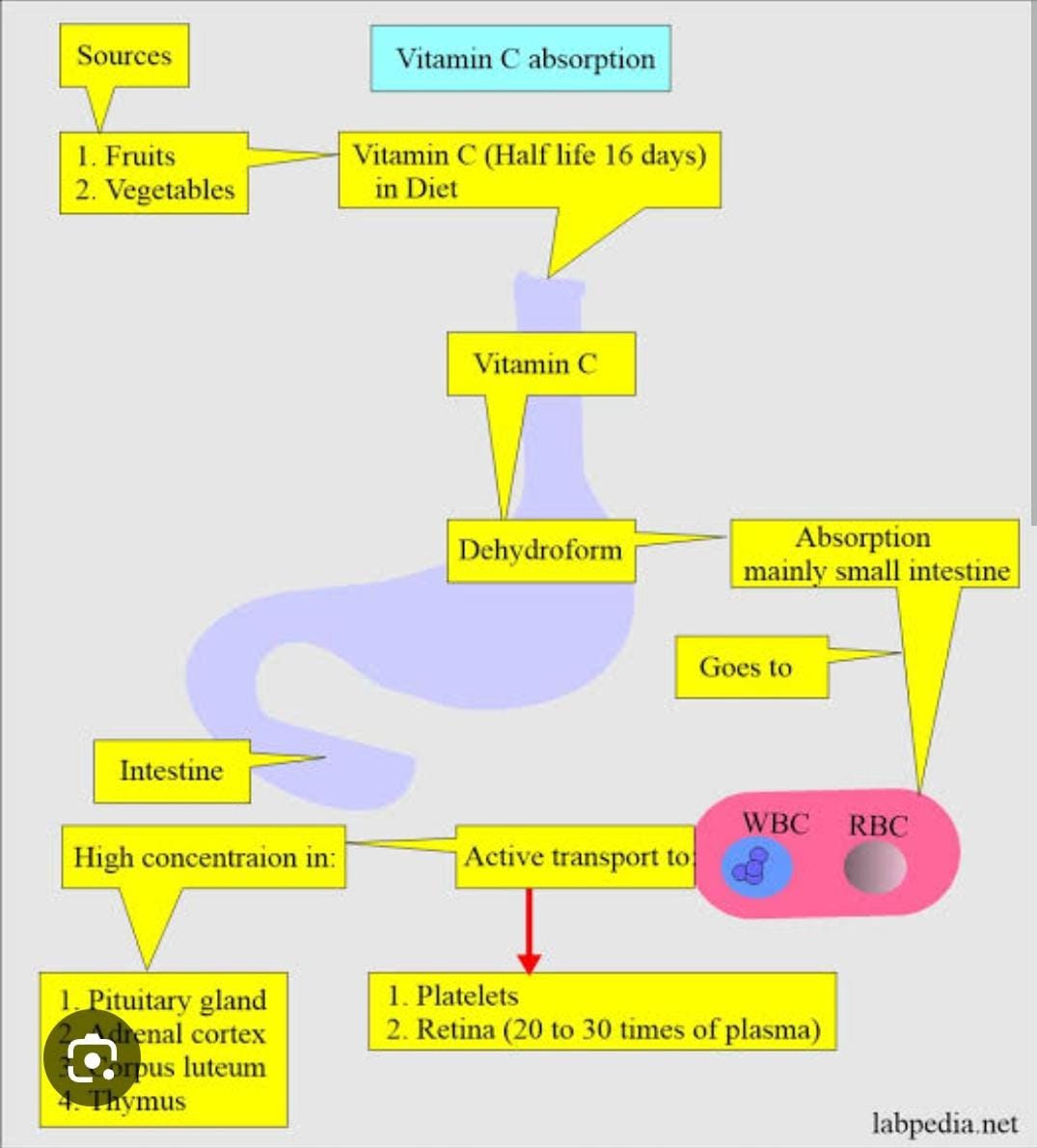
A vitamin C test measures the level of ascorbic acid in your blood, helping to diagnose deficiencies and assess overall antioxidant status. The test is typically performed via a blood draw, and results can indicate whether vitamin C levels are sufficient, deficient, or excessive.
Purpose of the Vitamin C Test:
Diagnose Vitamin C Deficiency:
Low levels can lead to scurvy, a condition characterized by fatigue, bleeding gums, and slow wound healing.
Monitor Supplementation:
The test helps track the effectiveness of vitamin C supplementation.
Assess Antioxidant Status:
Vitamin C is a crucial antioxidant, and the test can provide insights into your body's antioxidant capacity.
Evaluate Other Health Conditions:
Vitamin C deficiency can be associated with other conditions like anemia or liver issues.
How the Test is Performed:
1. Blood Draw:
A healthcare professional will draw a blood sample, usually from a vein in your arm.
2. Laboratory Analysis:
The sample is sent to a lab for analysis, where the concentration of vitamin C is measured.
What the Results Indicate:
Adequate Levels: Generally, 0.4-2.0 mg/dL indicates sufficient vitamin C levels.
Deficiency: Values below 0.4 mg/dL can suggest deficiency, with levels below 0.2 mg/dL indicating significant deficiency.
Excessive Intake: While not definitively established, levels above 3.0 mg/dL may indicate excess intake and potentially cause issues like uricosuria.
Important Considerations:
Symptoms of Deficiency: Be aware of potential symptoms like fatigue, easy bruising, slow wound healing, bleeding gums, and weakened bones.
Fasting: Fasting is generally not required for the test, but it's best to follow your doctor's specific instructions.
Home Collection: Some labs offer home sample collection for convenience.
Turnaround Time: Test results typically take a few days.
Purpose of the Vitamin C Test:
Diagnose Vitamin C Deficiency:
Low levels can lead to scurvy, a condition characterized by fatigue, bleeding gums, and slow wound healing.
Monitor Supplementation:
The test helps track the effectiveness of vitamin C supplementation.
Assess Antioxidant Status:
Vitamin C is a crucial antioxidant, and the test can provide insights into your body's antioxidant capacity.
Evaluate Other Health Conditions:
Vitamin C deficiency can be associated with other conditions like anemia or liver issues.
How the Test is Performed:
1. Blood Draw:
A healthcare professional will draw a blood sample, usually from a vein in your arm.
2. Laboratory Analysis:
The sample is sent to a lab for analysis, where the concentration of vitamin C is measured.
What the Results Indicate:
Adequate Levels: Generally, 0.4-2.0 mg/dL indicates sufficient vitamin C levels.
Deficiency: Values below 0.4 mg/dL can suggest deficiency, with levels below 0.2 mg/dL indicating significant deficiency.
Excessive Intake: While not definitively established, levels above 3.0 mg/dL may indicate excess intake and potentially cause issues like uricosuria.
Important Considerations:
Symptoms of Deficiency: Be aware of potential symptoms like fatigue, easy bruising, slow wound healing, bleeding gums, and weakened bones.
Fasting: Fasting is generally not required for the test, but it's best to follow your doctor's specific instructions.
Home Collection: Some labs offer home sample collection for convenience.
Turnaround Time: Test results typically take a few days.
In Pimpri Chinchwad Pune
Exploring Truth...
NIDAN
Pathology Laboratory
ISO 9001:2015 Certified
Book Free Home Collection : 7775837228/8999989854
Email Id: nidanpathology331@gmail.com
Rupeenagar
Chakan |
Punawale
Wakad |
Pimpari |
Krushnanagar |
Ravet