

A vitamin B12 test, also known as a cobalamin test, measures the levels of vitamin B12 in your blood. This test is used to assess vitamin B12 status, diagnose deficiency, and monitor treatment for deficiency or related conditions.
Purpose of the test:
Diagnosing deficiency:
Vitamin B12 is crucial for red blood cell formation, nerve function, and DNA synthesis. Low levels can indicate deficiency, which may lead to anemia, neurological problems, or other health issues.
Monitoring treatment:
If a deficiency is diagnosed, the test can track the effectiveness of vitamin B12 supplements or other treatments.
Evaluating neurological symptoms:
Neurological symptoms like numbness, tingling, memory problems, or mood disturbances can be linked to B12 deficiency.
Investigating malabsorption issues:
Certain conditions like celiac disease or Crohn's disease can affect vitamin B12 absorption.
Assessing overall health:
The test can be a part of routine checkups, especially for those at risk of deficiency.
What the test measures:
The test measures the amount of vitamin B12 in your blood. The normal range is typically between 197 to 771 picograms per milliliter (pg/mL), according to Suburban Diagnostics. However, normal ranges can vary slightly between labs.
How the test is done:
1. Blood sample collection:
A healthcare professional will draw a blood sample, usually from a vein in your arm.
2. Sample analysis:
The blood sample is sent to a lab for analysis to determine the vitamin B12 concentration.
What to expect:
Preparation: You may need to fast (avoid eating or drinking) for a few hours before the test.
Procedure: The blood draw is a quick process, and you may feel a slight pinch or sting when the needle is inserted.
Results: Results are typically available within a few days.
Interpreting results:
Low levels: May indicate vitamin B12 deficiency.
High levels: May suggest liver or kidney problems, or other conditions.
Normal levels: Generally indicate sufficient vitamin B12 in the body.
When to get tested:
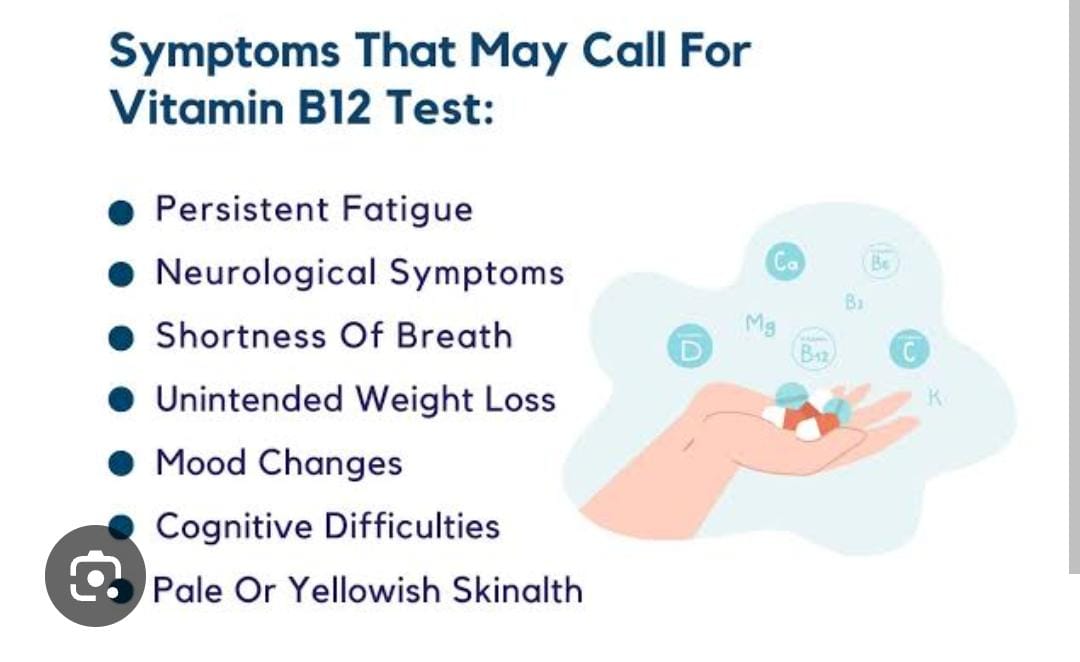
If you experience symptoms of vitamin B12 deficiency such as fatigue, weakness, numbness or tingling in hands and feet, memory problems, or mood changes.
If you have conditions that may affect vitamin B12 absorption.
As part of routine checkups or when advised by your healthcare provider.
In Pimpri Chinchwad Pune
Exploring Truth...
NIDAN
Pathology Laboratory
ISO 9001:2015 Certified
Book Free Home Collection : 7775837228/8999989854
Email Id: nidanpathology331@gmail.com
Rupeenagar
Chakan |
Punawale
Wakad |
Pimpari |
Krushnanagar |
Ravet
Purpose of the test:
Diagnosing deficiency:
Vitamin B12 is crucial for red blood cell formation, nerve function, and DNA synthesis. Low levels can indicate deficiency, which may lead to anemia, neurological problems, or other health issues.
Monitoring treatment:
If a deficiency is diagnosed, the test can track the effectiveness of vitamin B12 supplements or other treatments.
Evaluating neurological symptoms:
Neurological symptoms like numbness, tingling, memory problems, or mood disturbances can be linked to B12 deficiency.
Investigating malabsorption issues:
Certain conditions like celiac disease or Crohn's disease can affect vitamin B12 absorption.
Assessing overall health:
The test can be a part of routine checkups, especially for those at risk of deficiency.
What the test measures:
The test measures the amount of vitamin B12 in your blood. The normal range is typically between 197 to 771 picograms per milliliter (pg/mL), according to Suburban Diagnostics. However, normal ranges can vary slightly between labs.
How the test is done:
1. Blood sample collection:
A healthcare professional will draw a blood sample, usually from a vein in your arm.
2. Sample analysis:
The blood sample is sent to a lab for analysis to determine the vitamin B12 concentration.
What to expect:
Preparation: You may need to fast (avoid eating or drinking) for a few hours before the test.
Procedure: The blood draw is a quick process, and you may feel a slight pinch or sting when the needle is inserted.
Results: Results are typically available within a few days.
Interpreting results:
Low levels: May indicate vitamin B12 deficiency.
High levels: May suggest liver or kidney problems, or other conditions.
Normal levels: Generally indicate sufficient vitamin B12 in the body.
When to get tested:
If you experience symptoms of vitamin B12 deficiency such as fatigue, weakness, numbness or tingling in hands and feet, memory problems, or mood changes.
If you have conditions that may affect vitamin B12 absorption.
As part of routine checkups or when advised by your healthcare provider.
In Pimpri Chinchwad Pune
Exploring Truth...
NIDAN
Pathology Laboratory
ISO 9001:2015 Certified
Book Free Home Collection : 7775837228/8999989854
Email Id: nidanpathology331@gmail.com
Rupeenagar
Chakan |
Punawale
Wakad |
Pimpari |
Krushnanagar |
Ravet