

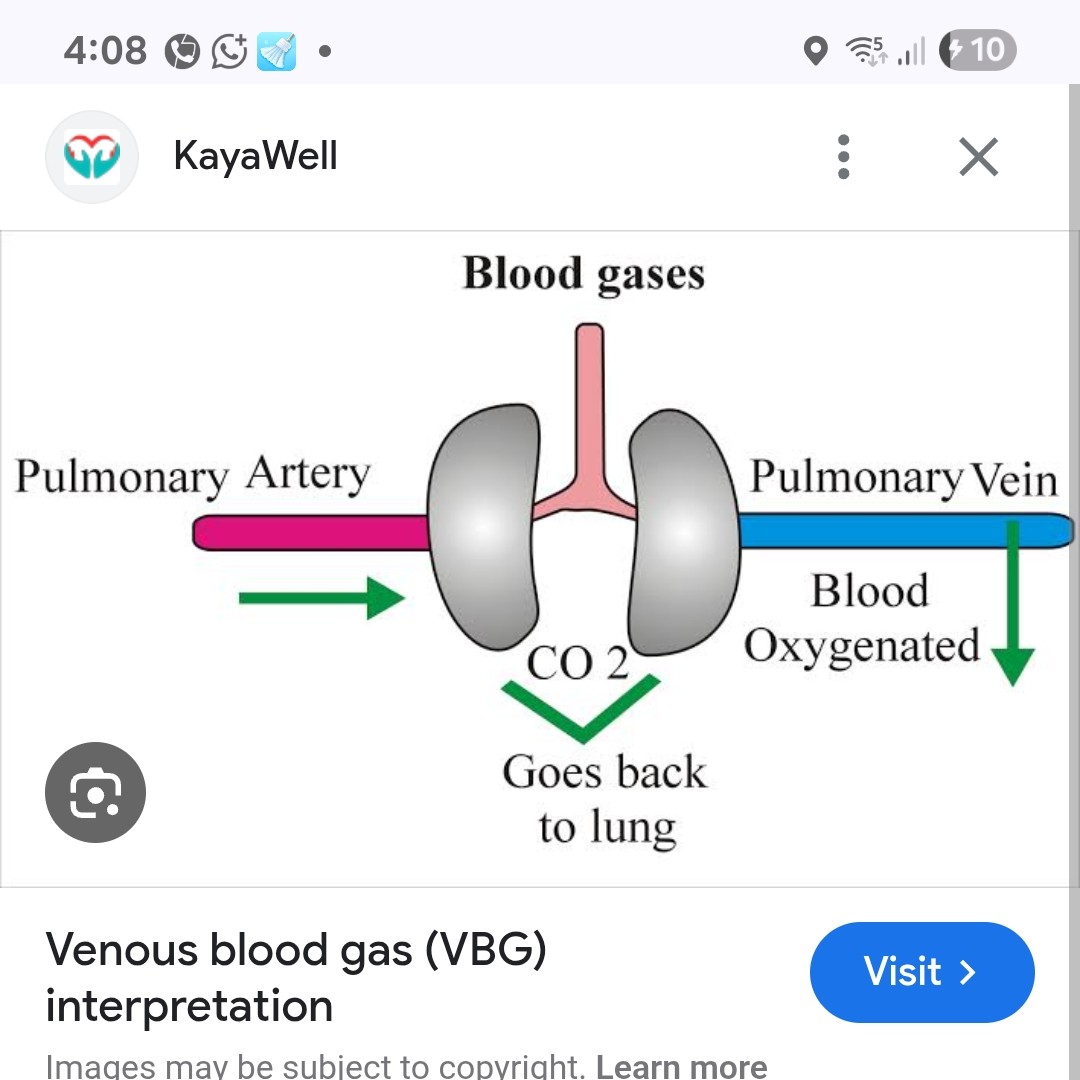
A venous blood gas (VBG) test measures the levels of oxygen and carbon dioxide in a blood sample taken from a vein, along with the blood's acidity (pH) and acid-base balance. It's a valuable tool for assessing respiratory function, monitoring oxygen therapy, and understanding the body's metabolic state. Unlike arterial blood gas tests, VBGs are less invasive and easier to obtain, making them a preferred option in many clinical settings.
Here's a more detailed explanation:
What it measures:
Oxygen and Carbon Dioxide Levels:
VBGs measure the partial pressures of oxygen (pO2) and carbon dioxide (pCO2) in the blood, indicating how effectively the lungs are delivering oxygen and removing carbon dioxide.
Blood Acidity (pH):
The pH level reflects the balance of acids and bases in the blood, which can be affected by respiratory and metabolic conditions.
Acid-Base Balance:
The test also assesses the body's overall acid-base balance, which is crucial for proper cellular function.
Other Measurements:
Modern VBG analysis may also include measurements of electrolytes, glucose, lactate, and hemoglobin levels.
How it's used:
Assessing Respiratory Function:
VBGs help evaluate lung function and diagnose respiratory conditions like COPD, asthma, or pneumonia.
Monitoring Oxygen Therapy:
The test can track the effectiveness of oxygen therapy and help adjust treatment as needed.
Understanding Metabolic State:
VBGs can provide insights into metabolic disorders like diabetic ketoacidosis or lactic acidosis.
Alternatives to Arterial Blood Gases:
In many cases, VBGs are used instead of arterial blood gases (ABGs) because they are less painful and easier to obtain, particularly in emergency situations or for monitoring patients on mechanical ventilation.
Why it's helpful:
Less Invasive:
Venous blood draws are generally less painful and risky than arterial punctures.
Easier to Obtain:
Venous access is often easier to establish, especially in patients with difficult veins.
Provides Valuable Information:
VBGs offer crucial insights into oxygenation, ventilation, and acid-base balance, helping clinicians make informed decisions about patient care.
Limitations:
Oxygenation Assessment:
While VBGs are useful for assessing ventilation and acid-base balance, they are not as reliable for assessing oxygenation as ABGs.
Pulse Oximetry:
To assess oxygenation, clinicians often combine VBG analysis with pulse oximetry, which measures oxygen saturation in the blood.
In Pimpri Chinchwad Pune
Exploring Truth...
NIDAN
Pathology Laboratory
ISO 9001:2015 Certified
Book Free Home Collection : 7775837228/8999989854
Email Id: nidanpathology331@gmail.com
Rupeenagar
Chakan |
Punawale
Wakad |
Pimpari |
Krushnanagar |
Ravet
Here's a more detailed explanation:
What it measures:
Oxygen and Carbon Dioxide Levels:
VBGs measure the partial pressures of oxygen (pO2) and carbon dioxide (pCO2) in the blood, indicating how effectively the lungs are delivering oxygen and removing carbon dioxide.
Blood Acidity (pH):
The pH level reflects the balance of acids and bases in the blood, which can be affected by respiratory and metabolic conditions.
Acid-Base Balance:
The test also assesses the body's overall acid-base balance, which is crucial for proper cellular function.
Other Measurements:
Modern VBG analysis may also include measurements of electrolytes, glucose, lactate, and hemoglobin levels.
How it's used:
Assessing Respiratory Function:
VBGs help evaluate lung function and diagnose respiratory conditions like COPD, asthma, or pneumonia.
Monitoring Oxygen Therapy:
The test can track the effectiveness of oxygen therapy and help adjust treatment as needed.
Understanding Metabolic State:
VBGs can provide insights into metabolic disorders like diabetic ketoacidosis or lactic acidosis.
Alternatives to Arterial Blood Gases:
In many cases, VBGs are used instead of arterial blood gases (ABGs) because they are less painful and easier to obtain, particularly in emergency situations or for monitoring patients on mechanical ventilation.
Why it's helpful:
Less Invasive:
Venous blood draws are generally less painful and risky than arterial punctures.
Easier to Obtain:
Venous access is often easier to establish, especially in patients with difficult veins.
Provides Valuable Information:
VBGs offer crucial insights into oxygenation, ventilation, and acid-base balance, helping clinicians make informed decisions about patient care.
Limitations:
Oxygenation Assessment:
While VBGs are useful for assessing ventilation and acid-base balance, they are not as reliable for assessing oxygenation as ABGs.
Pulse Oximetry:
To assess oxygenation, clinicians often combine VBG analysis with pulse oximetry, which measures oxygen saturation in the blood.
In Pimpri Chinchwad Pune
Exploring Truth...
NIDAN
Pathology Laboratory
ISO 9001:2015 Certified
Book Free Home Collection : 7775837228/8999989854
Email Id: nidanpathology331@gmail.com
Rupeenagar
Chakan |
Punawale
Wakad |
Pimpari |
Krushnanagar |
Ravet