

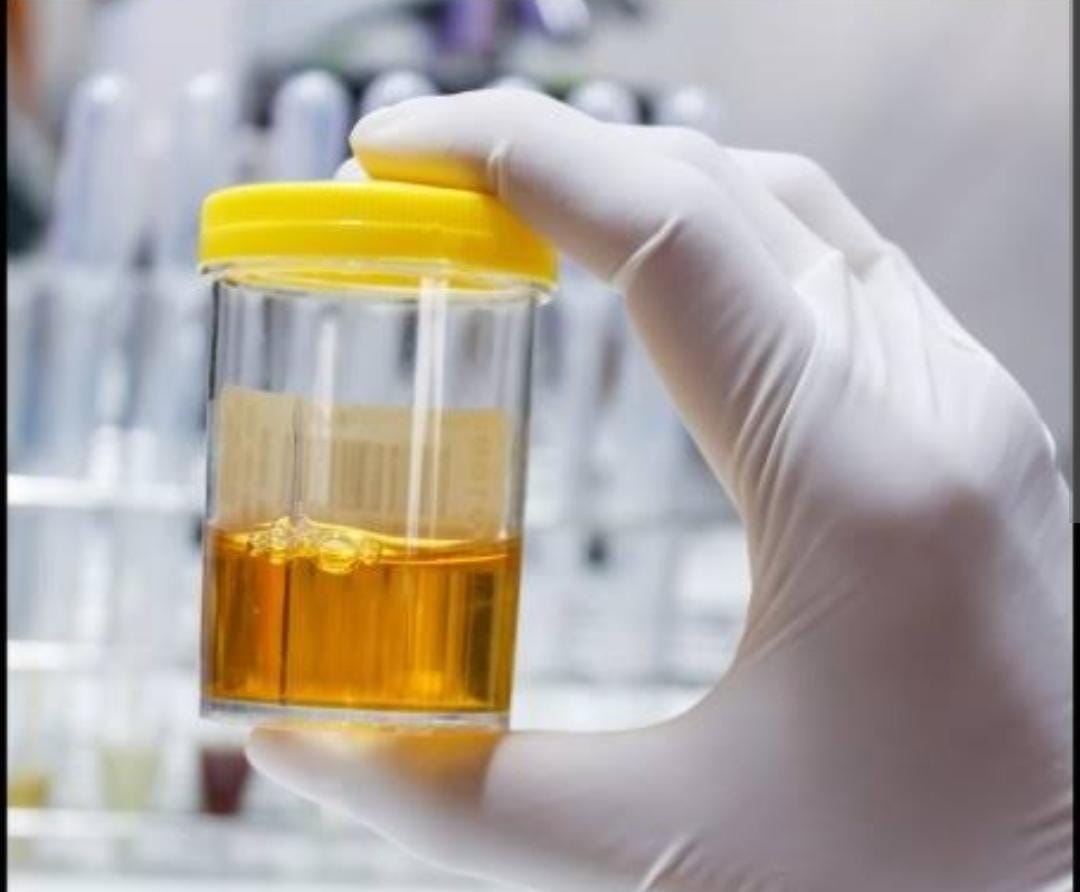
A urine osmolality test measures the concentration of dissolved particles in a urine sample, reflecting the kidney's ability to concentrate or dilute urine and maintain fluid balance. It helps diagnose various conditions related to kidney function, hydration, and electrolyte balance.
What it measures:
The test measures the number of dissolved particles (like sodium, glucose, urea, and other electrolytes) per unit of water in the urine.
This concentration is expressed in milliosmoles per kilogram of water (mOsm/kg).
Why it's done:
Assess kidney function:
The test helps evaluate how well the kidneys are concentrating or diluting urine, which is crucial for maintaining fluid and electrolyte balance.
Diagnose fluid and electrolyte imbalances:
It can help identify conditions like dehydration, overhydration, or electrolyte disorders.
Detect kidney disease:
Abnormal urine osmolality levels can indicate kidney problems or damage.
Differentiate conditions:
It can help distinguish between conditions like diabetes insipidus, SIADH (Syndrome of Inappropriate Antidiuretic Hormone secretion), and other disorders affecting fluid balance.
What the results mean:
High urine osmolality: Suggests dehydration or conditions like SIADH.
Low urine osmolality: May indicate overhydration, diabetes insipidus, or kidney failure.
Normal urine osmolality: Varies, but generally falls within a range of 50 to 1200 mOsm/kg, though this can vary by lab and individual factors.
How it's done:
A urine sample is collected, either randomly or over a 24-hour period.
The urine sample is sent to a lab for analysis.
The lab measures the osmolality using a method like freezing-point depression.
Important considerations:
Preparation:
Your doctor may advise you to limit fluid intake for a certain period before the test or to temporarily stop certain medications.
Factors affecting results:
Diet, fluid intake, and certain medications can influence urine osmolality.
Consult your doctor:
It's important to discuss your test results with your doctor to understand their meaning in the context of your overall health.
In Pimpri Chinchwad Pune
Exploring Truth...
NIDAN
Pathology Laboratory
ISO 9001:2015 Certified
Book Free Home Collection : 7775837228/8999989854
Email Id: nidanpathology331@gmail.com
Rupeenagar
Chakan |
Punawale
Wakad |
Pimpari |
Krushnanagar |
Ravet
What it measures:
The test measures the number of dissolved particles (like sodium, glucose, urea, and other electrolytes) per unit of water in the urine.
This concentration is expressed in milliosmoles per kilogram of water (mOsm/kg).
Why it's done:
Assess kidney function:
The test helps evaluate how well the kidneys are concentrating or diluting urine, which is crucial for maintaining fluid and electrolyte balance.
Diagnose fluid and electrolyte imbalances:
It can help identify conditions like dehydration, overhydration, or electrolyte disorders.
Detect kidney disease:
Abnormal urine osmolality levels can indicate kidney problems or damage.
Differentiate conditions:
It can help distinguish between conditions like diabetes insipidus, SIADH (Syndrome of Inappropriate Antidiuretic Hormone secretion), and other disorders affecting fluid balance.
What the results mean:
High urine osmolality: Suggests dehydration or conditions like SIADH.
Low urine osmolality: May indicate overhydration, diabetes insipidus, or kidney failure.
Normal urine osmolality: Varies, but generally falls within a range of 50 to 1200 mOsm/kg, though this can vary by lab and individual factors.
How it's done:
A urine sample is collected, either randomly or over a 24-hour period.
The urine sample is sent to a lab for analysis.
The lab measures the osmolality using a method like freezing-point depression.
Important considerations:
Preparation:
Your doctor may advise you to limit fluid intake for a certain period before the test or to temporarily stop certain medications.
Factors affecting results:
Diet, fluid intake, and certain medications can influence urine osmolality.
Consult your doctor:
It's important to discuss your test results with your doctor to understand their meaning in the context of your overall health.
In Pimpri Chinchwad Pune
Exploring Truth...
NIDAN
Pathology Laboratory
ISO 9001:2015 Certified
Book Free Home Collection : 7775837228/8999989854
Email Id: nidanpathology331@gmail.com
Rupeenagar
Chakan |
Punawale
Wakad |
Pimpari |
Krushnanagar |
Ravet