

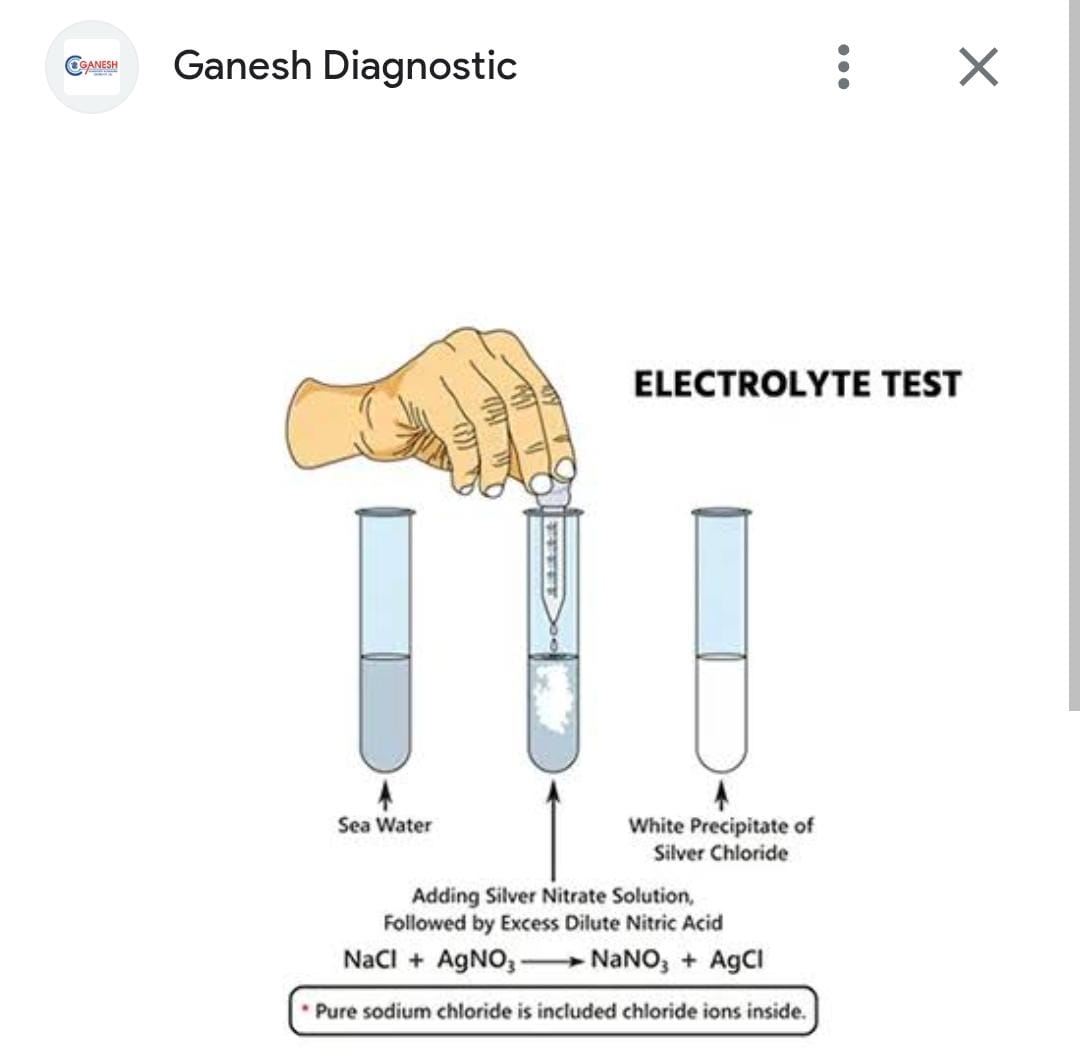
A urine electrolyte test measures the levels of key electrolytes like sodium, potassium, and chloride in your urine. This test helps assess kidney function and overall electrolyte balance in the body, which is crucial for various bodily functions including fluid balance, nerve and muscle function, and maintaining blood pH.
What it measures:
Sodium (Na): Essential for fluid regulation, nerve and muscle function, and nutrient absorption.
Potassium (K): Works with sodium to regulate fluid balance, heart rhythm, and muscle contractions.
Chloride (Cl): Helps balance fluids and maintain the body's acid-base balance.
Why it's done:
Assess kidney function:
The kidneys play a vital role in filtering electrolytes from the blood and excreting excess amounts in the urine.
Diagnose electrolyte imbalances:
Abnormal electrolyte levels in the urine can indicate dehydration, kidney disease, hormonal imbalances, or other health issues.
Monitor treatment:
The test can be used to monitor the effectiveness of treatments for electrolyte imbalances.
How it's done:
Random urine sample: A single urine sample is collected for analysis.
24-hour urine collection: A more comprehensive analysis can be done by collecting all urine produced over a 24-hour period.
What the results mean:
Abnormal levels:
Deviations from normal ranges for sodium, potassium, and chloride can indicate various conditions.
Kidney issues:
The kidneys may not be properly excreting or reabsorbing electrolytes, leading to imbalances.
Other conditions:
Electrolyte imbalances can also be associated with dehydration, high blood pressure, and other health problems.
In Pimpri Chinchwad Pune
Exploring Truth...
NIDAN
Pathology Laboratory
ISO 9001:2015 Certified
Book Free Home Collection : 7775837228/8999989854
Email Id: nidanpathology331@gmail.com
Rupeenagar
Chakan |
Punawale
Wakad |
Pimpari |
Krushnanagar |
Ravet