
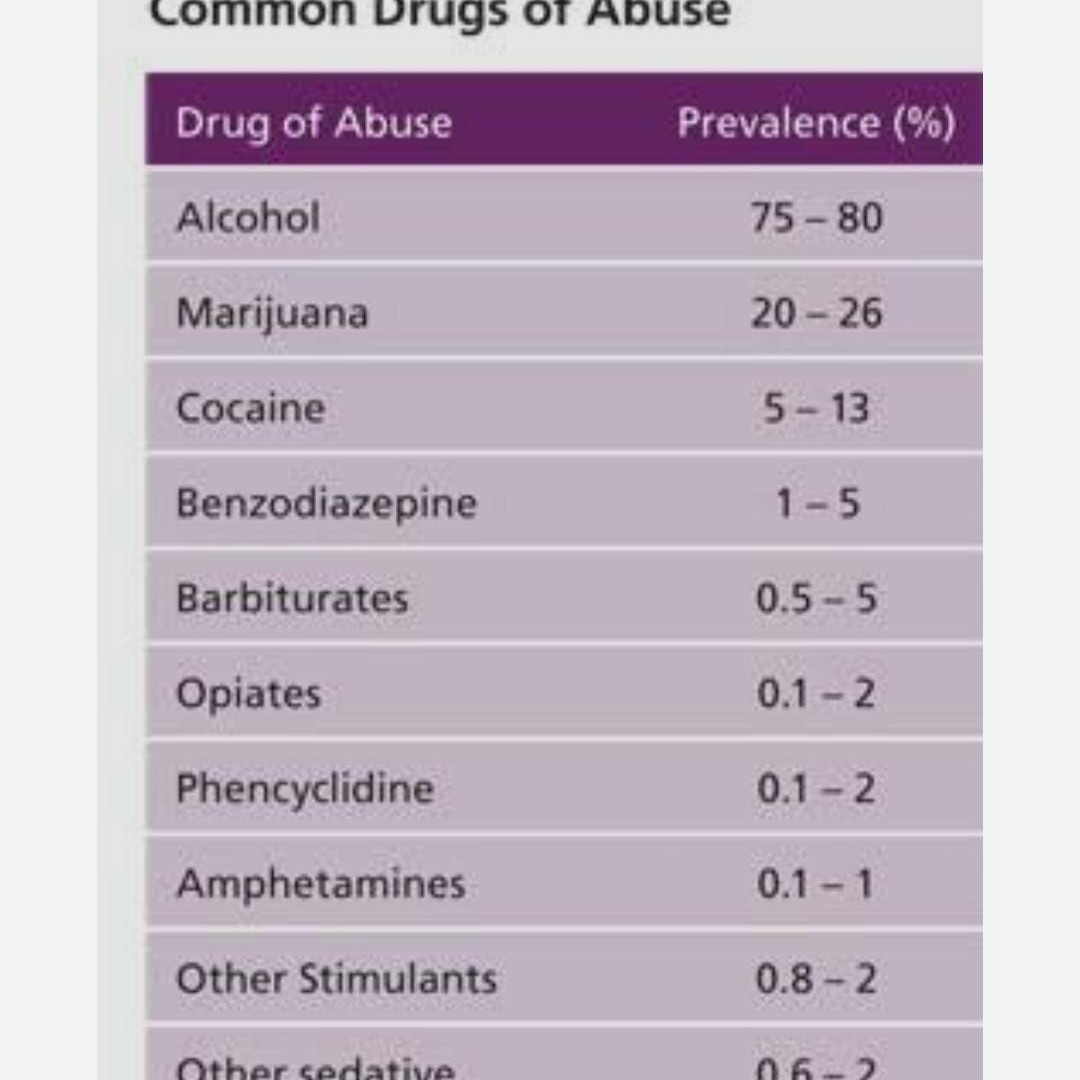
A urine alcohol test detects the presence of alcohol or its metabolites in a urine sample. These tests are used in various settings, including medical, workplace, and legal contexts, to identify recent alcohol consumption. The two primary metabolites commonly tested for are Ethyl Glucuronide (EtG) and Ethyl Sulfate (EtS), which can indicate alcohol use for a longer period than directly measuring ethanol (alcohol).
Key aspects of urine alcohol testing:
Detection of alcohol and metabolites:
Urine tests can detect ethanol (alcohol) itself, as well as its metabolites, EtG and EtS.
Detection window:
While ethanol can be detected for a short period (hours) after consumption, EtG and EtS can be detected for up to 80 hours or more after drinking, depending on factors like the amount consumed and individual metabolism.
Applications:
Urine alcohol tests are used in:
Medical settings: To assess alcohol consumption patterns, especially in cases of alcohol-related illnesses or during treatment.
Workplace settings: For pre-employment screening, random testing, or post-accident investigations, particularly in safety-sensitive positions.
Legal settings: In DUI/DWI cases, probation monitoring, or other situations where alcohol consumption needs to be verified.
Testing methods:
Laboratories use techniques like gas chromatography-mass spectrometry (GC-MS) or liquid chromatography-tandem mass spectrometry (LC-MS/MS) to analyze urine samples.
Accuracy and influencing factors:
Individual factors like body weight, metabolism, hydration, and the amount and frequency of alcohol consumption can affect the detection window and accuracy of the test.
Home testing:
At-home urine test kits are also available for personal use.
In Pimpri Chinchwad Pune
Exploring Truth...
NIDAN
Pathology Laboratory
ISO 9001:2015 Certified
Book Free Home Collection : 7775837228/8999989854
Email Id: nidanpathology331@gmail.com
Rupeenagar
Chakan |
Punawale
Wakad |
Pimpari |
Krushnanagar |
Ravet
Key aspects of urine alcohol testing:
Detection of alcohol and metabolites:
Urine tests can detect ethanol (alcohol) itself, as well as its metabolites, EtG and EtS.
Detection window:
While ethanol can be detected for a short period (hours) after consumption, EtG and EtS can be detected for up to 80 hours or more after drinking, depending on factors like the amount consumed and individual metabolism.
Applications:
Urine alcohol tests are used in:
Medical settings: To assess alcohol consumption patterns, especially in cases of alcohol-related illnesses or during treatment.
Workplace settings: For pre-employment screening, random testing, or post-accident investigations, particularly in safety-sensitive positions.
Legal settings: In DUI/DWI cases, probation monitoring, or other situations where alcohol consumption needs to be verified.
Testing methods:
Laboratories use techniques like gas chromatography-mass spectrometry (GC-MS) or liquid chromatography-tandem mass spectrometry (LC-MS/MS) to analyze urine samples.
Accuracy and influencing factors:
Individual factors like body weight, metabolism, hydration, and the amount and frequency of alcohol consumption can affect the detection window and accuracy of the test.
Home testing:
At-home urine test kits are also available for personal use.
In Pimpri Chinchwad Pune
Exploring Truth...
NIDAN
Pathology Laboratory
ISO 9001:2015 Certified
Book Free Home Collection : 7775837228/8999989854
Email Id: nidanpathology331@gmail.com
Rupeenagar
Chakan |
Punawale
Wakad |
Pimpari |
Krushnanagar |
Ravet