
loquinone or phytonadione, is a fat-soluble vitamin that plays a crucial role in blood clotting and bone health. It's the primary form of vitamin K found in plants, particularly green leafy vegetables. Vitamin K1 acts as a cofactor for enzymes involved in the synthesis of proteins necessary for blood coagulation.
Here's a more detailed look:
Blood Clotting:
Vitamin K1 is essential for the production of several proteins, including prothrombin (factor II), VII, IX, and X, which are vital for the blood clotting process. Without sufficient vitamin K1, these proteins cannot be activated, which can lead to excessive bleeding and bruising.
Bone Health:
Vitamin K1 is also involved in the production of osteocalcin, a protein that helps regulate bone formation and mineralization.
Dietary Sources:
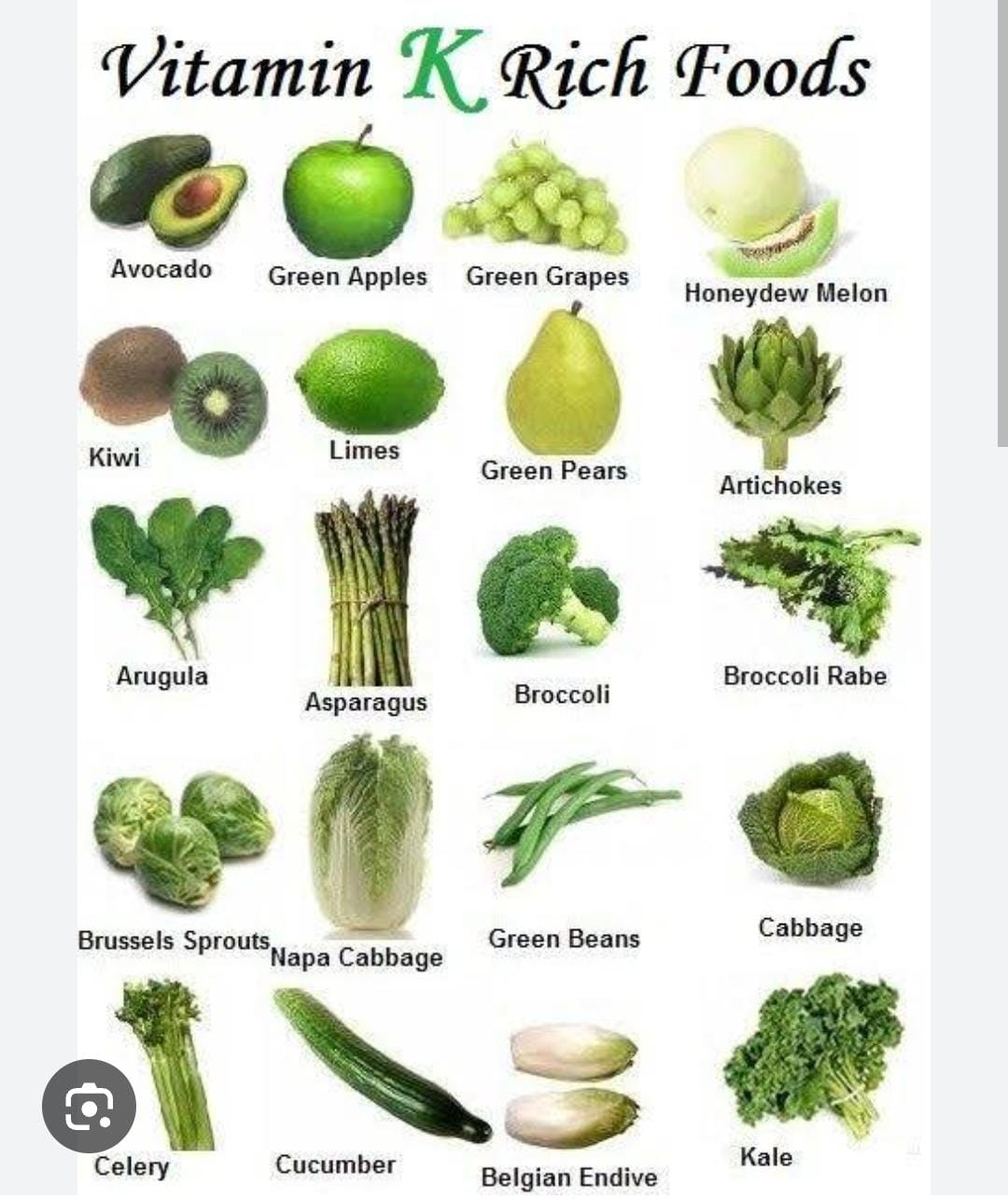
The main dietary sources of vitamin K1 are green leafy vegetables like spinach, kale, and broccoli.
Absorption:
Vitamin K1 is absorbed in the small intestine, similar to other fats, and is transported through the lymphatic system.
Deficiency:
While rare in adults, vitamin K1 deficiency can occur due to malabsorption or inadequate dietary intake, potentially leading to bleeding problems. Infants are particularly vulnerable to vitamin K deficiency, and a prophylactic injection of vitamin K1 is often given at birth.
In Pimpri Chinchwad Pune
Exploring Truth...
NIDAN
Pathology Laboratory
ISO 9001:2015 Certified
Book Free Home Collection : 7775837228/8999989854
Email Id: nidanpathology331@gmail.com
Rupeenagar
Chakan |
Punawale
Wakad |
Pimpari |
Krushnanagar |
Ravet