

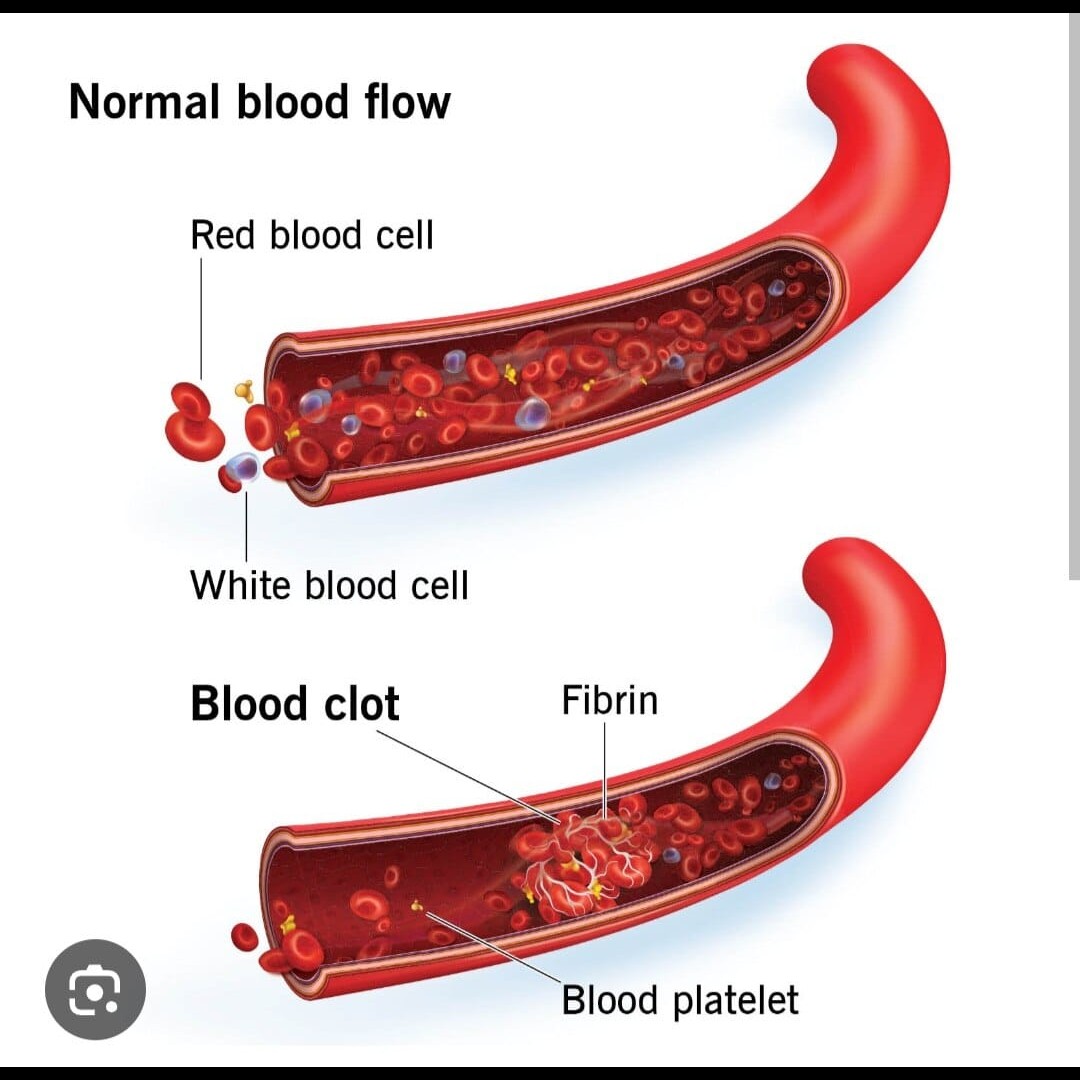
A D-dimer test is a blood test that measures levels of the protein fragment D-dimer to help detect and rule out blood clotting disorders, such as Deep Vein Thrombosis (DVT) or Pulmonary Embolism (PE). A low result is often considered negative and unlikely to indicate a clot, while a positive result means more tests are needed to determine the cause.
Purpose of the D-dimer test
Assess for blood clots: The primary use is to help diagnose conditions where blood clots form unnecessarily, such as DVT and PE.
Monitor treatment: It can also be used to monitor the effectiveness of treatment for a blood clotting disorder like Disseminated Intravascular Coagulation (DIC).
How the test is performed
Blood sample: A healthcare provider draws a blood sample from a vein in your arm.
Laboratory analysis: The blood sample is sent to a lab for analysis.
Results: Results are usually available within a few hours to a day.
Understanding the results
Negative (low) result: If the D-dimer level is low, it's considered negative and suggests that a blood clot is unlikely.
Positive (high) result: A high level indicates the presence of D-dimer, meaning your body is breaking down blood clots. However, this is not definitive evidence of a clot, as other conditions can cause high levels.
Conditions that can cause a positive (high) D-dimer result
Pregnancy
Major surgery or trauma
Certain cancers
Heart disease
Liver disease
High triglyceride levels
What happens if your D-dimer test is positive?
A healthcare provider will likely recommend further imaging tests, such as an ultrasound or CT scan, to confirm the presence of a blood clot and determine the most appropriate treatment.