

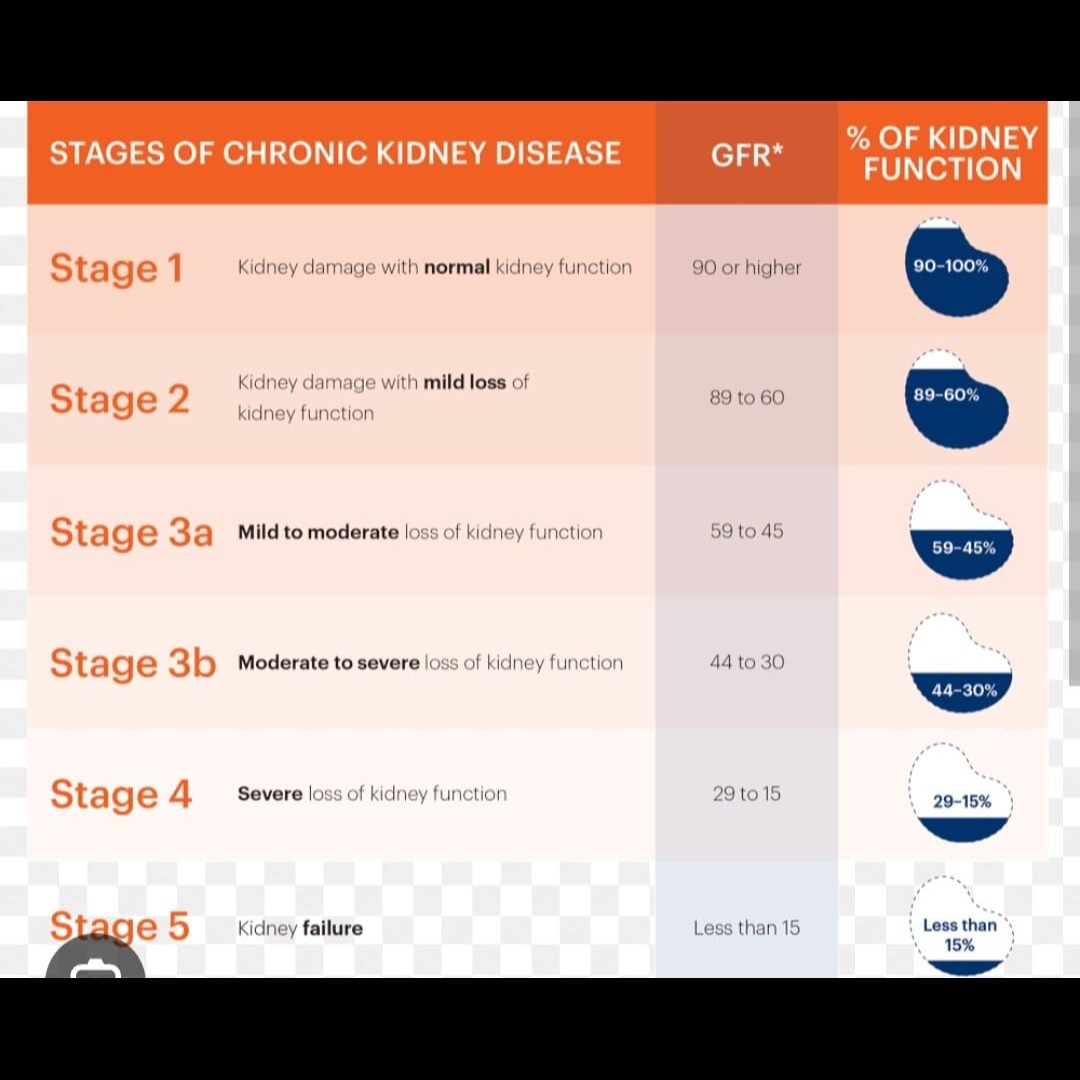
An eGFR (estimated glomerular filtration rate) is a blood test that measures how well your kidneys are filtering waste from your blood, using a formula that includes your age, sex, and creatinine levels. A lower eGFR indicates poorer kidney function and can help diagnose chronic kidney disease (CKD) and its stages. A healthy eGFR is generally 90 or higher, while levels below 60 for three months or more suggest kidney disease.
What the eGFR Test Does
Measures kidney function: It estimates the rate at which your kidneys filter waste and excess fluid from your blood.
Uses a formula: The test calculates the eGFR using a blood test to measure creatinine (a waste product from muscle tissue), along with other factors like age, sex, and body size.
Detects kidney problems: A lower eGFR can signal kidney damage, even before symptoms appear, and helps in diagnosing and staging kidney disease.
What Your eGFR Results Mean
Normal range: An eGFR of 90 or higher is considered normal.
Early-stage kidney disease: An eGFR of 60-89 may indicate early-stage kidney disease.
Chronic kidney disease (CKD): A value below 60 for three months or more can indicate kidney disease or damage.
Kidney failure: An eGFR of 15 or lower may be a sign of kidney failure.
When the eGFR Test is Used
Screening: To check for kidney disease in people with no symptoms.
Diagnosis: To help diagnose kidney disease in people with symptoms.
Monitoring: To track the progress of chronic kidney disease and evaluate treatment effectiveness.
Pre-treatment checks: To assess kidney health before certain medical treatments.
Factors Affecting eGFR
Age: eGFR naturally decreases as people age.
Sex: Biological sex is a factor in the calculation.
Creatinine levels: The level of creatinine in the blood is a key component of the eGFR calculation.
Other factors: Factors like muscle mass, diet, and very high body weight can influence creatinine levels and therefore the eGFR calculation.