

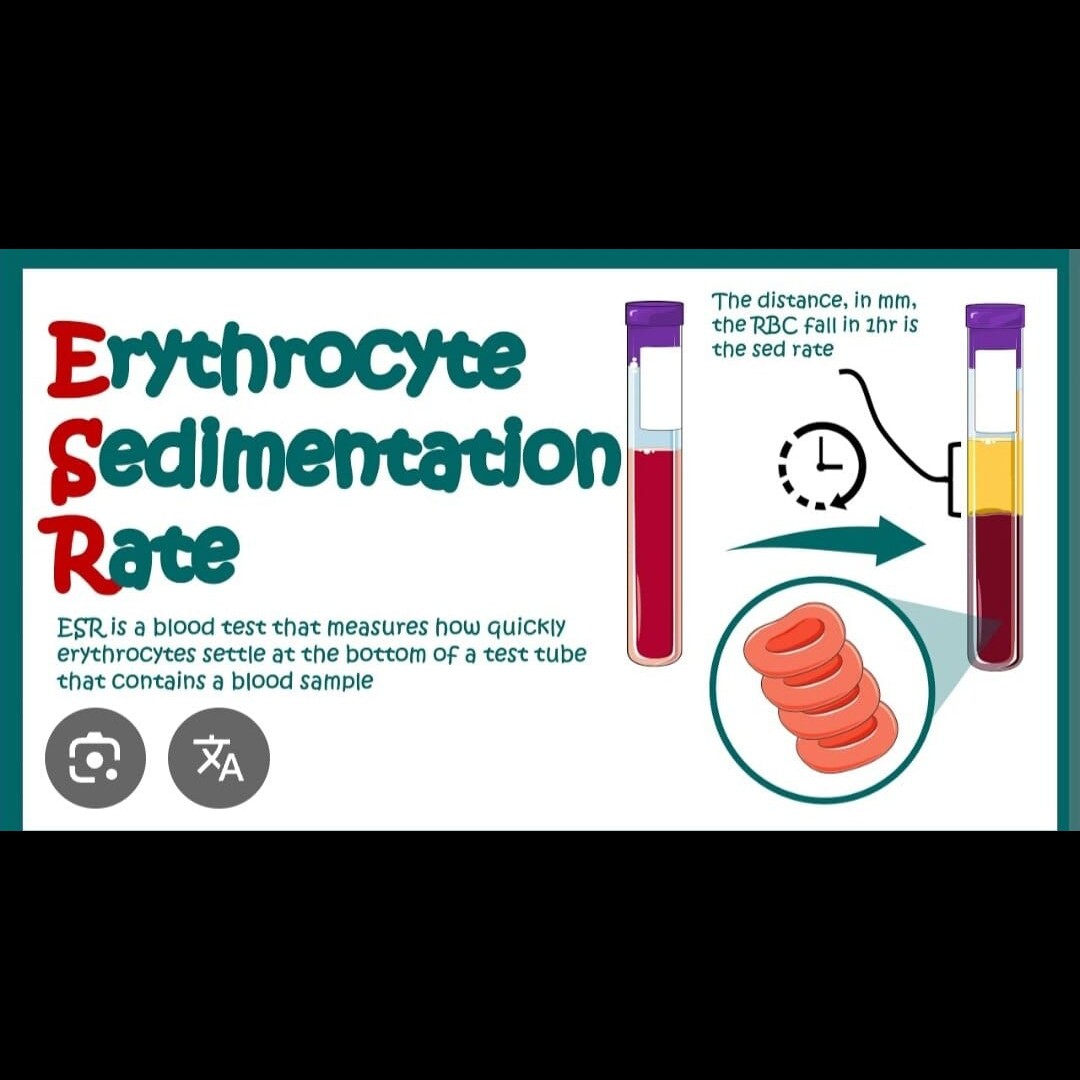
An Erythrocyte Sedimentation Rate (ESR) test is a blood test that measures how quickly red blood cells (erythrocytes) settle at the bottom of a tube in an hour. This rate serves as a general indicator of inflammation in the body, which can be caused by infections, autoimmune diseases like rheumatoid arthritis, or cancers. While it doesn't diagnose a specific condition, an elevated ESR can signal inflammation and is used alongside other tests to help monitor and manage chronic inflammatory diseases.
What the ESR test does:
Detects Inflammation: The test measures inflammation by observing how fast red blood cells clump together and settle in a test tube.
Not a Standalone Diagnostic Tool: An ESR result alone doesn't point to a specific disease, but rather a general presence of inflammation.
Monitors Conditions: It's useful for tracking the progression of certain inflammatory conditions like systemic lupus erythematosus (SLE) and polymyalgia rheumatica, and checking the effectiveness of treatment.
How the Test Works:
A small blood sample is drawn from your vein, usually from the back of your hand or inside of your elbow.
The sample is sent to a lab where it is placed in a tall, thin test tube.
After one hour, the rate at which the red blood cells have fallen to the bottom is measured.
What to know about the results:
Faster Rate, More Inflammation: Red blood cells naturally settle slowly, but inflammation makes them clump together, increasing their density and causing them to settle faster.
Normal Values Vary: Normal ESR levels differ based on age and gender.
Other Factors Can Affect Results: Factors like pregnancy, increasing age, and certain medications can influence ESR values.
Further Testing Needed: If your ESR is high, your doctor will likely order more specific tests to find the exact cause.
When Your Doctor May Order an ESR Test:
To investigate unexplained fever.
To diagnose conditions like arthritis or autoimmune diseases.
To monitor inflammatory diseases and treatment responses